A digital conversation partner for real daily life
For the past two years we've been working on something we believe matters, and we're finally ready to introduce her properly. Meet Zuster Annie.
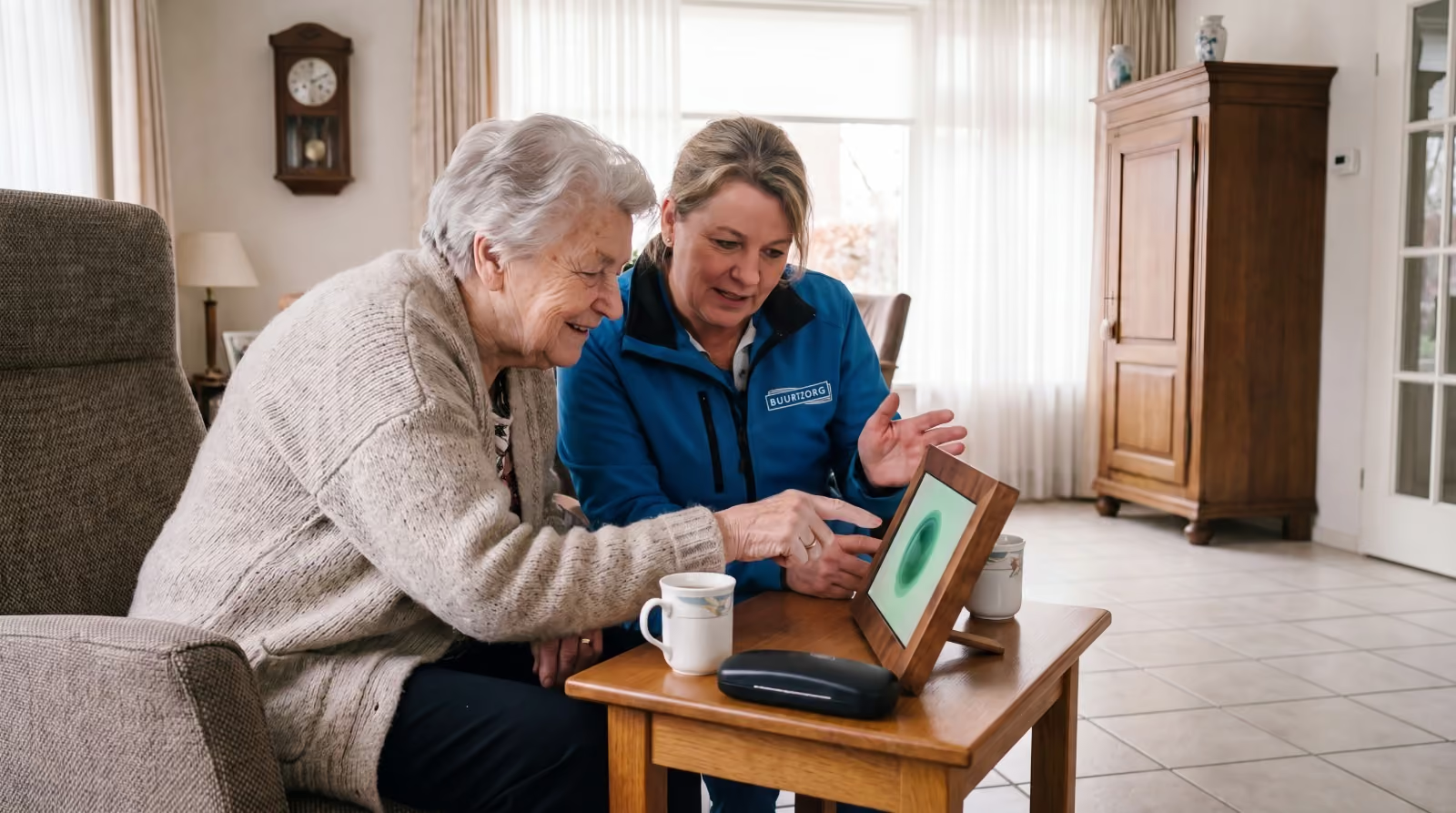
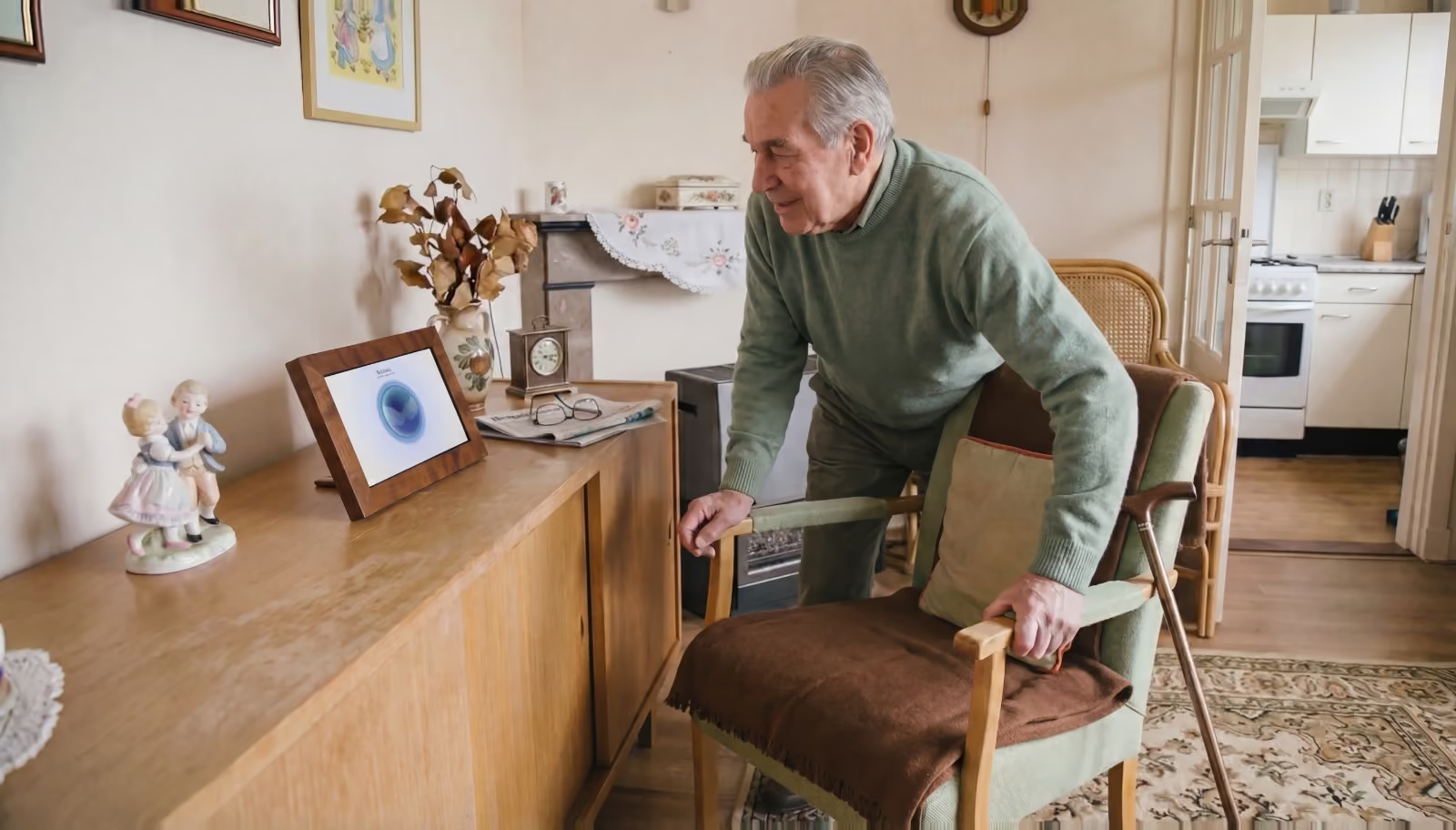
Zuster Annie is a digital conversation partner for older people. She lives on a tablet, she talks, she listens, and she helps bring a little structure to the day. We've been building her together with Buurtzorg Nederland, and she is now being tested in real homes, with real care professionals and their clients. If the pilot tells us what we hope it will, she launches this autumn.
She is especially valuable for people in the early stages of dementia. That is where the small things start to slip first: whether the pills were taken, what day it is, whether anyone is coming by this afternoon. Zuster Annie brings structure into the day, helps with remembering those small things, and offers company in the quiet moments. Developed together with Buurtzorg to fit into daily care practice, she supports both the older person and the care team around them in a daily routine that stays pleasant and workable for everyone.
The question we started with
It began with something simple. What if technology could help people stay independent for longer, while also making the work of care professionals a little lighter?
Both halves matter equally. There is plenty of technology aimed at problems that don't really need solving, and plenty of tools that improve a process on paper while adding another task to a care professional's list. We wanted something that was actually useful on both sides of care.
So we started by asking questions. What does a morning look like? When does someone feel most alone? What does a care professional wish they had time for, and never do?
Who Zuster Annie is, and who she isn't
Zuster Annie is there for a conversation. She speaks slow, understandable Dutch, and she is easy to use: you just talk to her, no menus to learn, no buttons to find. In practice, that comes down to a handful of things:
- She talks, and she listens. Annie asks questions, pays attention to the answers, and gets to know the person she's talking to a little better each time.
- She remembers. Names, hobbies, what's coming up this week. That's what keeps a conversation feeling personal instead of starting from zero every morning.
- She passes things on. If Annie notices something is off, she sends a message to the care team or to family. Sometimes that's pain or a bad night. Sometimes it's simply that the butter has run out.
- Reminders and call moments. You can set when Annie calls and what for. She rings at the right time, starts with a chat, and then calmly gets to the message.
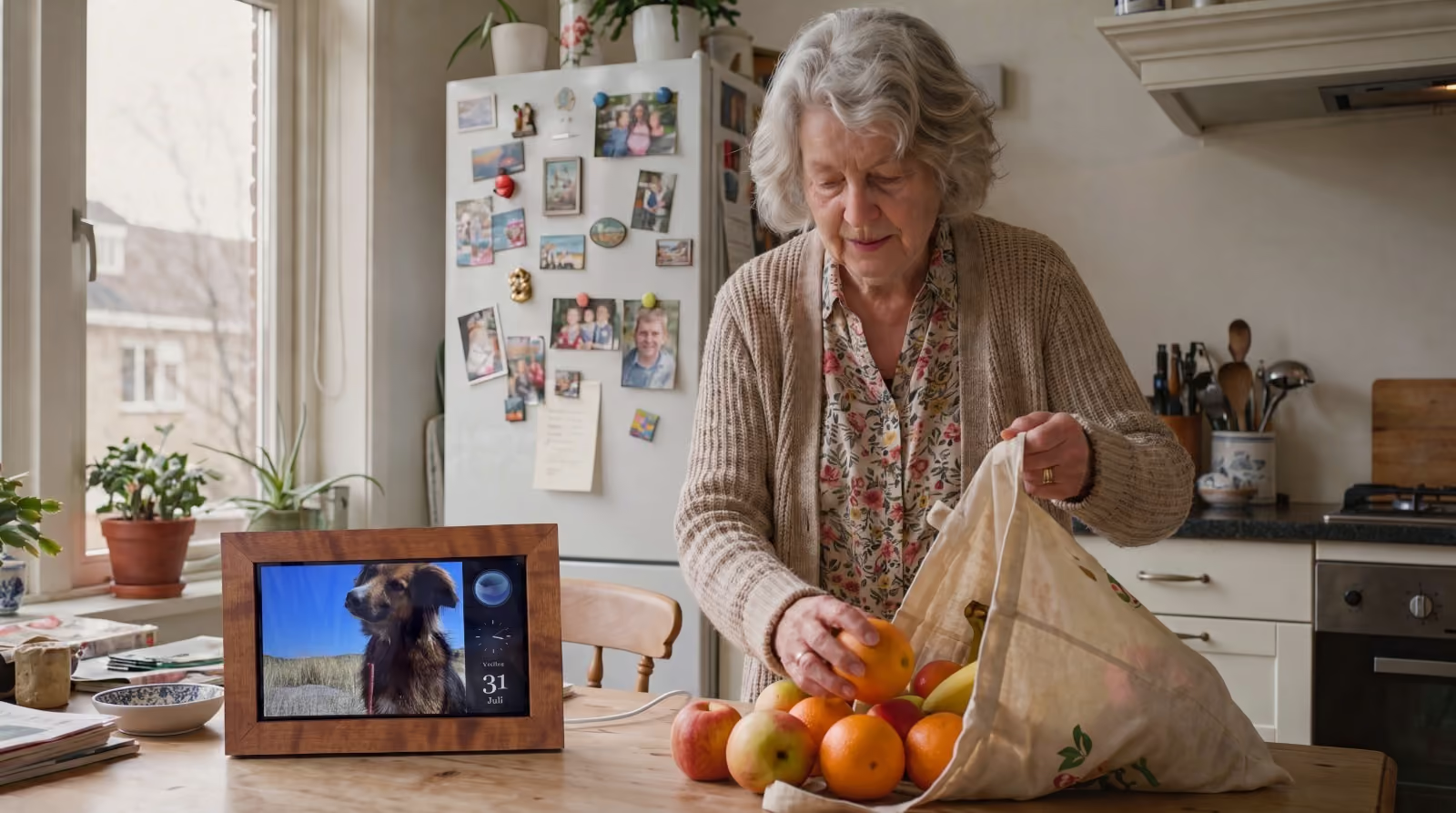
- A photo frame in between. When she isn't talking, the tablet becomes a digital photo frame, with your own photos or the standard collection.
- Adjustable to the person. Her behaviour can be tuned to what someone at home actually needs, through the dashboard.
That last point matters more than it sounds. Nobody's day looks like anybody else's, and a reminder that helps one person is a nuisance to the next.
While she is there to talk and have a conversation, she is not meant to be a replacement for a human being. We've written before about where we draw the line with AI, and this project is the sharpest version of that line we've had to draw so far. Zuster Annie doesn't diagnose. She doesn't decide. When she passes something on, she is flagging it for a person, not judging it: what it means is for the care team to determine. She doesn't stand between a client and their care team. She isn't there to reduce the number of visits someone gets, and if she ever starts to feel like a substitute for the nurse at the door, we've built the wrong thing.
The value she offers sits in the hours in between. The quiet afternoon. The moment you can't quite remember whether you took the pills. The wish to tell someone about your day, at a time when no one is scheduled to arrive.
Building with Buurtzorg, not for them
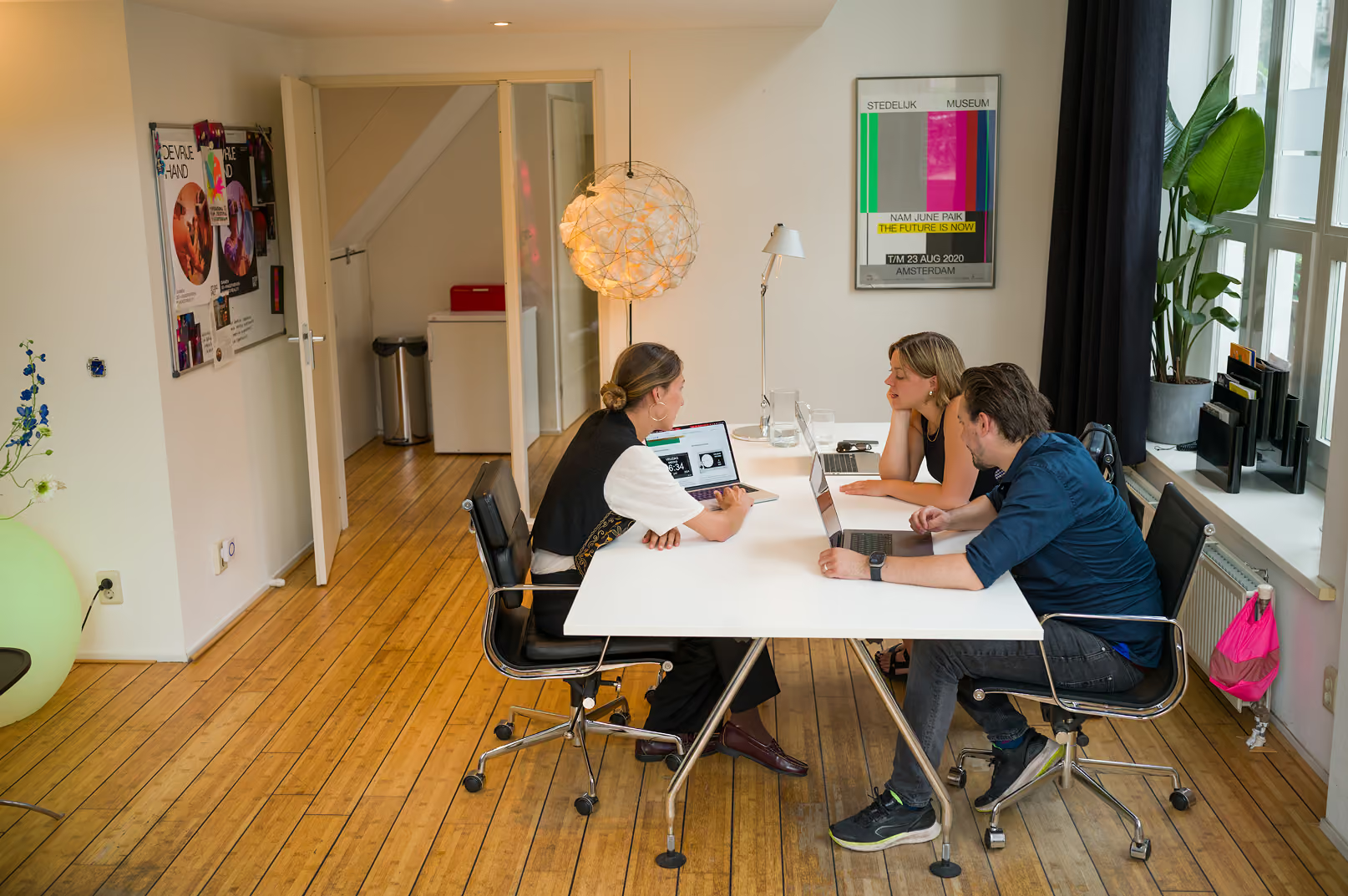
Buurtzorg has been our partner in this from the beginning, and that shaped the work more than any technical decision we made.
Buurtzorg's teams are self-organising and close to their clients, which means the people who know what would actually help are the same people who would have to use it. Their involvement was invaluable, because a good idea in the studio is not always what someone at home actually needs. Care professionals told us which reminders were welcome and which felt misplaced, and where a friendly voice lands well and where it lands wrong.
The unglamorous but essential part
A lot of the last two years went into things nobody will ever see, and we think that's worth naming.
Care data is some of the most sensitive data there is. Everything about Zuster Annie has been built to meet European privacy standards and the requirements of the Dutch healthcare sector, with the care organisation in control of the data and Studio Vrij handling it only on their behalf. The infrastructure runs in Europe. The choices about what is stored, for how long, and who can see it were made deliberately and documented, not assumed.
There is also the very physical work: preparing a fleet of tablets, getting them to the right addresses, making sure they arrive charged and ready, and walking someone through their first conversation over a video call. None of this shows up in a demo, but all of it is an essential building block of the final result.
Pilot and future outlook
Right now, tablets are in the hands of care professionals and their older clients. That's the milestone. Not the launch itself, but the phase that decides what the launch looks like: a test in the only environment that tells the truth. Everything we learn here feeds into the version that goes live in autumn.
We're watching for what feels useful and what doesn't. Where Zuster Annie's tone is right and where it isn't. Which reminders help and which get ignored. Whether people come back to her after the novelty wears off, which is the question that matters most and takes the longest to answer.
We fully expect to be wrong about some of it. That's the point of putting something in the world before you're certain.
Could Sister Annie be useful to you, or to someone you know? Join the waiting list and we will let you know when she launches.