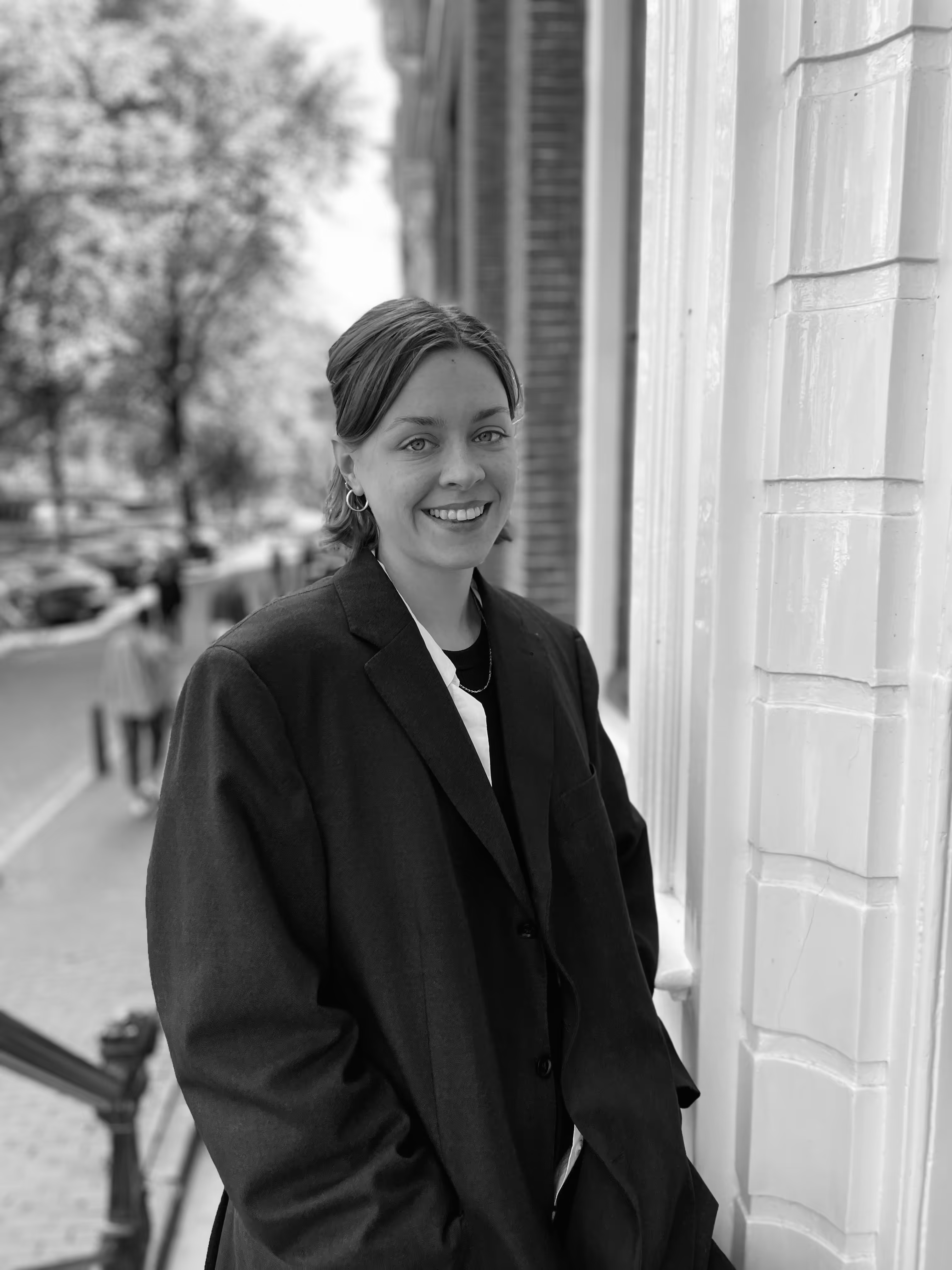
AI is everywhere. For a smaller studio like Studio Vrij, that raises fundamental questions: where do we invest in AI, and where do we deliberately keep it out? These choices don't just shape how efficiently we work; they define the value of what we create.
AI for operational efficiency
At Studio Vrij, we use AI mainly to structure our internal workflows. We've built our own operational website with AI; an internal system similar to Asana, but customized specifically to our needs and how we work.
This system helps us organize projects, manage tasks, track deadlines, and serve as an HR tool too: log hours spent per project (from development to marketing to production), and keep track of holidays. We weren't satisfied with existing platforms; they always felt overwhelming, packed with features we didn't need. Rather than paying for functionality we'd never use, we built something with only the elements we actually require.
Creative workflow
AI can be useful for testing programs and experiences early on, or reviewing code from a technical perspective. But it can't replace actual people trying our experiences; genuine human reactions aren't something you can simulate.
So we draw a clear line when it comes to our creative work. Imperfection and unexpected choices are often stronger than something polished and generic. Authenticity can't be automated; nor can the decisions a creative makes along the way. Outsourcing that to AI means losing something essential. At the core of what we do - designing immersive experiences that connect people - we choose human creativity.
The same thinking applies to how we build. The faster you can execute, the more it matters what you decide to build: it's no longer about how you do something, but about what you choose to do, and why. A feature can be built in hours; getting it right: iterating, refining, making it actually fit how people work; still takes real time and judgment. So we invest in direction first. A clear idea of where we're going is worth more than moving quickly in the wrong one.
Complex AI characters: Zuster Annie, Grumpy Walter, and more
Our conversational AI projects are not meant to replace human contact, they are designed to reinforce it.
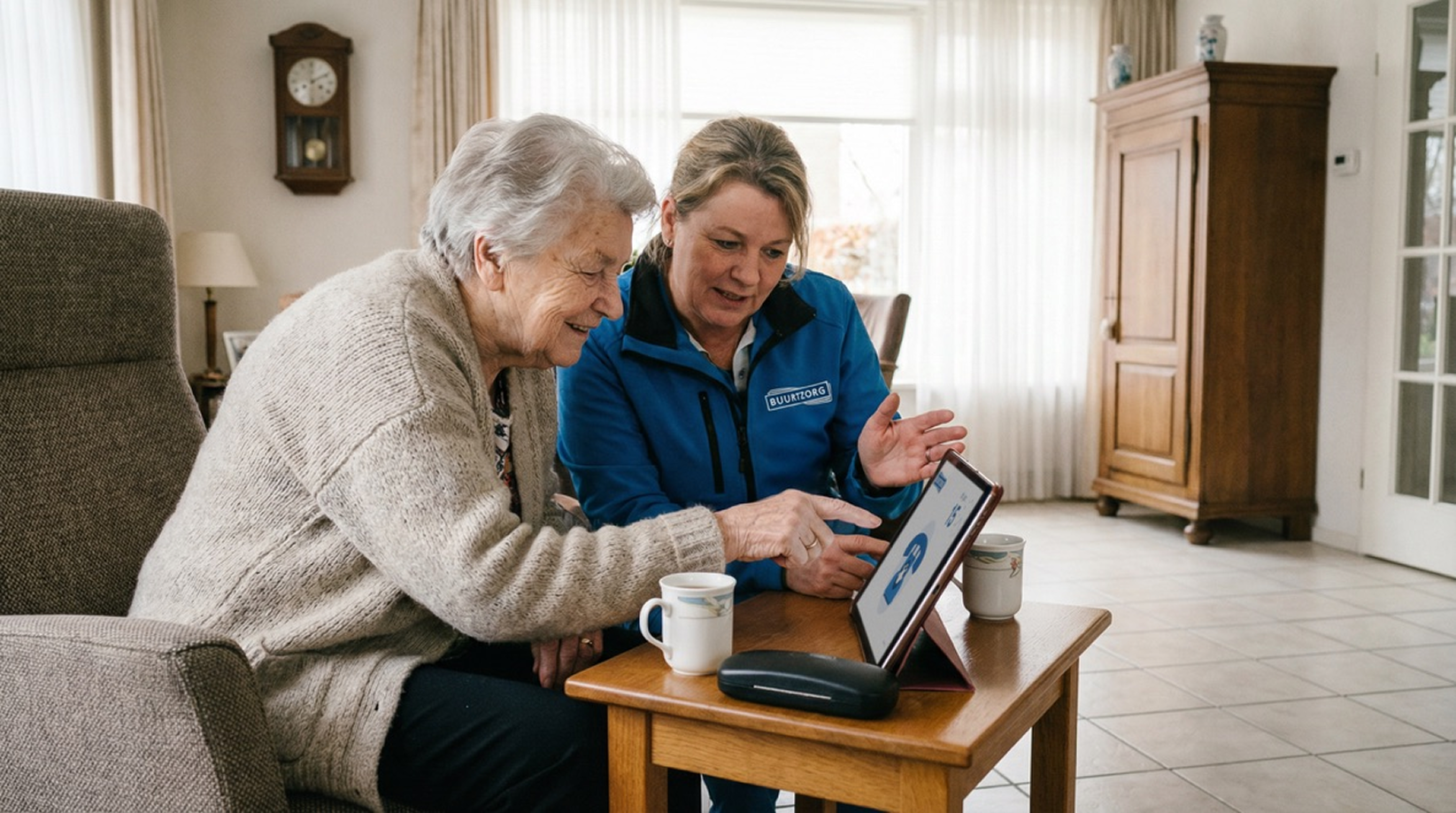
Zuster Annie is an AI companion designed to help elderly people stay independent longer; and to make the work of healthcare professionals a little lighter. We've spent the past two years developing this together with Buurtzorg Nederland, and we're now testing it in the real world. Tablets are in the hands of healthcare professionals and their elderly clients, and we're learning how Zuster Annie actually works in practice; how she can be there for conversation, send gentle reminders, and help maintain daily structure.
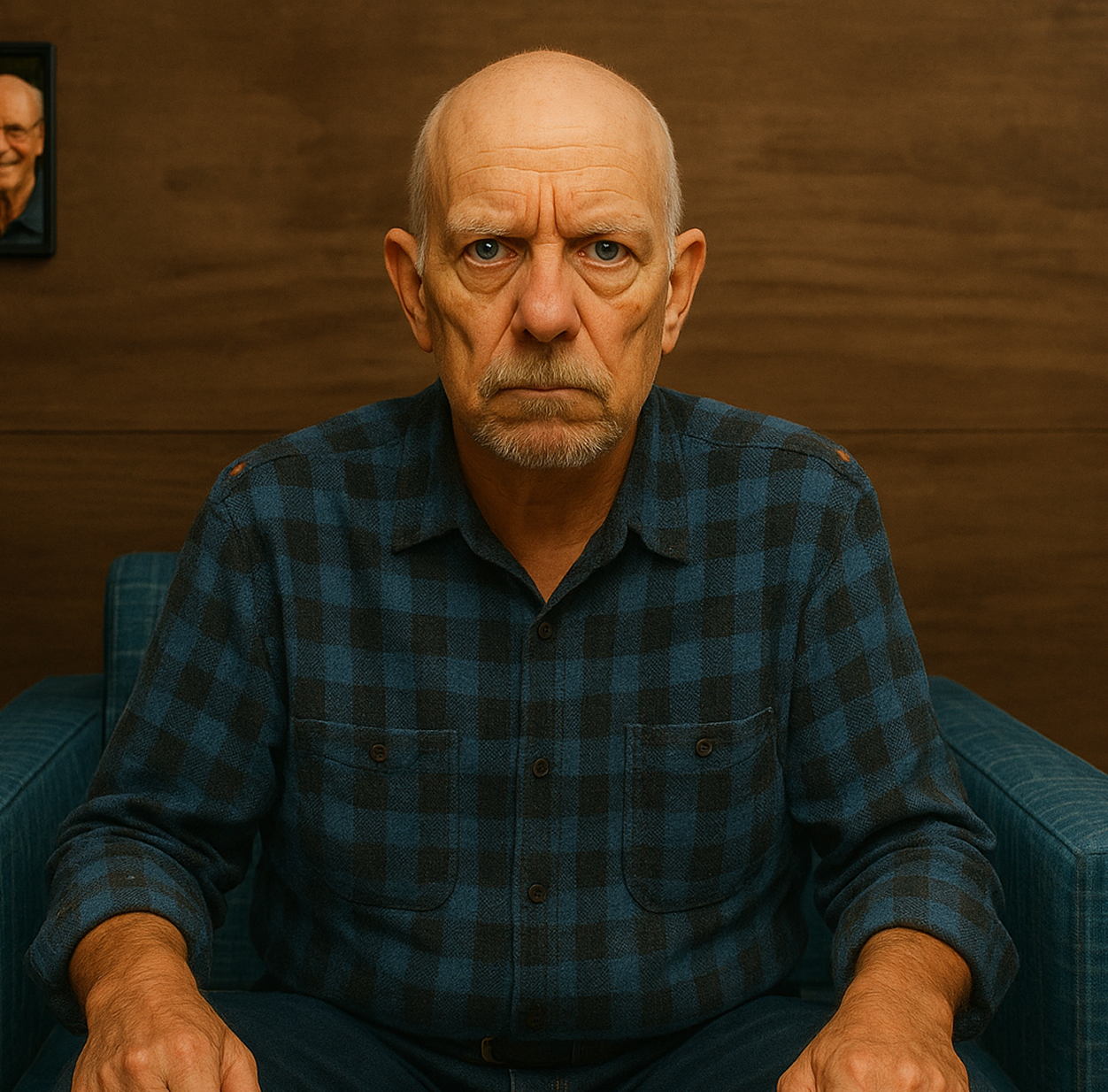
We also specialise in building conversational AI with distinct, complex personalities for training purposes. Grumpy Walter is an opinionated character with a deliberately difficult personality - and that's exactly what makes him valuable. Walter helps nurses train how to interact with more difficult patients: people with resistance, mistrust, who won't immediately comply. By communicating with Walter, professionals learn how to balance patience, empathy, and assertiveness.
Similarly, Leef en Leer is a project in collaboration with OBA made for training purposes. Ibrahim is an AI character a man in his late forties who moved to the Netherlands from Syria years ago. He still struggles with Dutch language, with digital skills, with feeling at home in a new country. The goal is to train advisors how to guide people in Ibrahim's situation; how to address shame, fear, and resistance while creating space for growth.

This kind of work demands far more than good prompts. It requires empathy, cultural insight, and a deep understanding of what you're building and why; because the goal isn't a convincing chatbot. It's a safe space where professionals can practice the hardest parts of their job before they face them in real life.
The balance: value over hype
We recognise AI's enormous potential, but also the need for clear boundaries. Not everything it can do is worth doing. For us this means:
- Using AI to scale operationally: less micro-managing, more focus
- Building training experiences with complex AI characters that are effective and empathetic
- Keeping AI out of the creative work that defines us
The choice between quantity and quality isn't new, but AI makes that choice sharper and more urgent. Every tool we adopt (or deliberately reject) defines who we are and what we can deliver.
For us: AI is a tool. Nothing more, nothing less. The skill is knowing when to pick it up and when to put it down.
Curious how AI could help your organization? Or want to learn more about how Studio Vrij builds conversational AI characters? Get in touch.